
Gaming Headset Buying Guide: Clear Sound, Smart Choice
Gaming Headset Buying Guide: Clear Sound, Smart Choice
From casual calls to ranked matches — this guide explains mic types, drivers, connection standards and comfort so you can choose a headset that actually fits the way you play.
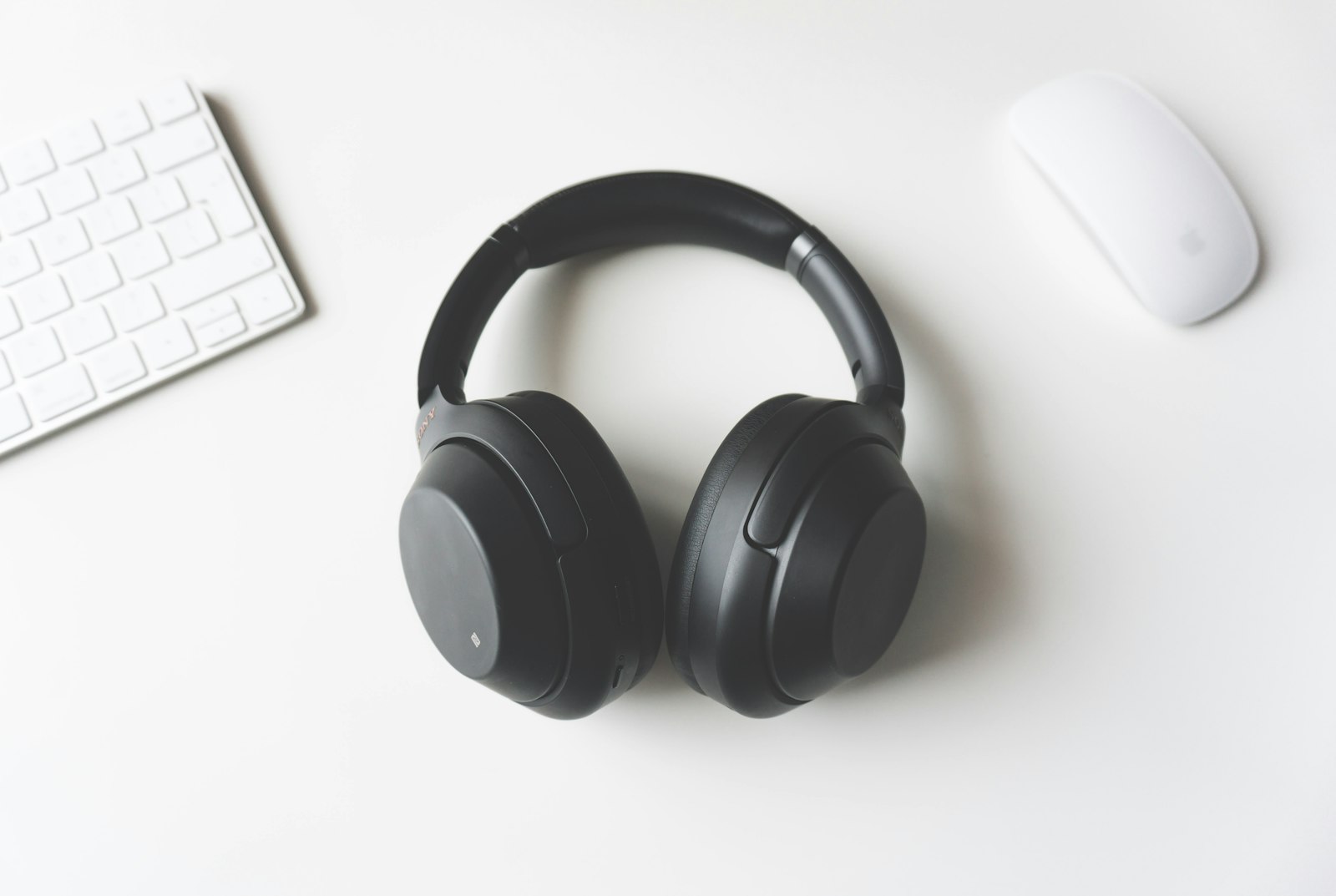
Not every “gaming” label means better sound. Focus on the parts that matter: driver size & tuning, connection latency, mic quality and long-session comfort. Below — short, practical checkpoints.
Headset types
Closed-back
Best isolation and punchy bass. Great for noisy rooms and LANs.
- Blocks outside noise
- Stronger low-end
- Less natural soundstage
Open-back
Airy, wide soundstage for precise positioning — hear footsteps better.
- More natural staging
- Leaky — not for shared rooms
Wireless
Full freedom with low-latency 2.4 GHz dongles. Check battery & weight.
- Look for 2.4 GHz, not only Bluetooth
- USB-C charging & 30h+ battery
Connectivity — latency & platform
PC / Console
- USB classes for PS5/PC; Xbox needs specific wireless protocol
- Detachable cable = easy to replace
- On-headset controls for volume & sidetone
Mobile
- Bluetooth 5.2+; LE Audio nice to have
- Dual device pairing for calls + game
- ANC helps in travel; Gaming-mode lowers delay
Sound & drivers
Big drivers don’t guarantee accuracy. Look for clean mids (voices) and controlled bass. Parametric EQ is a win.
What to check
- 40–50 mm dynamic drivers are standard; planar = faster transients
- Software EQ with per-game presets
- Virtual surround should not over-smear mids
For competitive
- Neutral-bright tuning: raise 2–4 kHz for footstep clarity
- Open-back often helps with positional awareness
Microphones & noise control
Mic hardware
- Cardioid boom with pop-filter = less breath noise
- Detachable = upgrade to standalone USB mic later
Software cleanup
- Noise suppression / gate / compressor
- Side-tone: monitor your voice to avoid shouting
Comfort & build
Fit checklist
- Weight under ~330 g for long sessions
- Clamp force: snug, not crushing — test for 30+ minutes
- Velour/cooling-gel pads for heat; memory foam for seal
- Metal headband sliders, replaceable ear-pads
Quick care
- Wipe pads after play
- Wash fabric covers weekly
- Store on stand to keep shape
Compare at a glance
| Model | Type | Connection | Weight | Battery | Best for |
|---|---|---|---|---|---|
| Voltoria V-Pro X | Closed | 2.4 GHz + BT | 298 g | 40 h | Ranked FPS |
| Voltoria Air Open | Open | Wired USB-C | 260 g | — | Positioning / streams |
| Voltoria Travel ANC | Closed + ANC | BT 5.3 | 310 g | 50 h | Mobile, office, flights |
5-step setup for clean comms
- Update firmware / app; enable low-latency mode
- Set sidetone ~15–25% to monitor voice
- Mic 2 fingers from mouth; pop-filter facing in
- Apply EQ: +2 dB @ 2.5 kHz, cut boominess @ 120 Hz
- Noise gate & suppressor on; test in Discord
FAQ
Wireless or wired for competitive?
Open-back leaks — will my mic pick it up?
What about “7.1 virtual surround”?
Ready to hear the difference?
Pick your platform, add a mic if needed and start with a neutral preset — tweak later for each title.
Add comment